
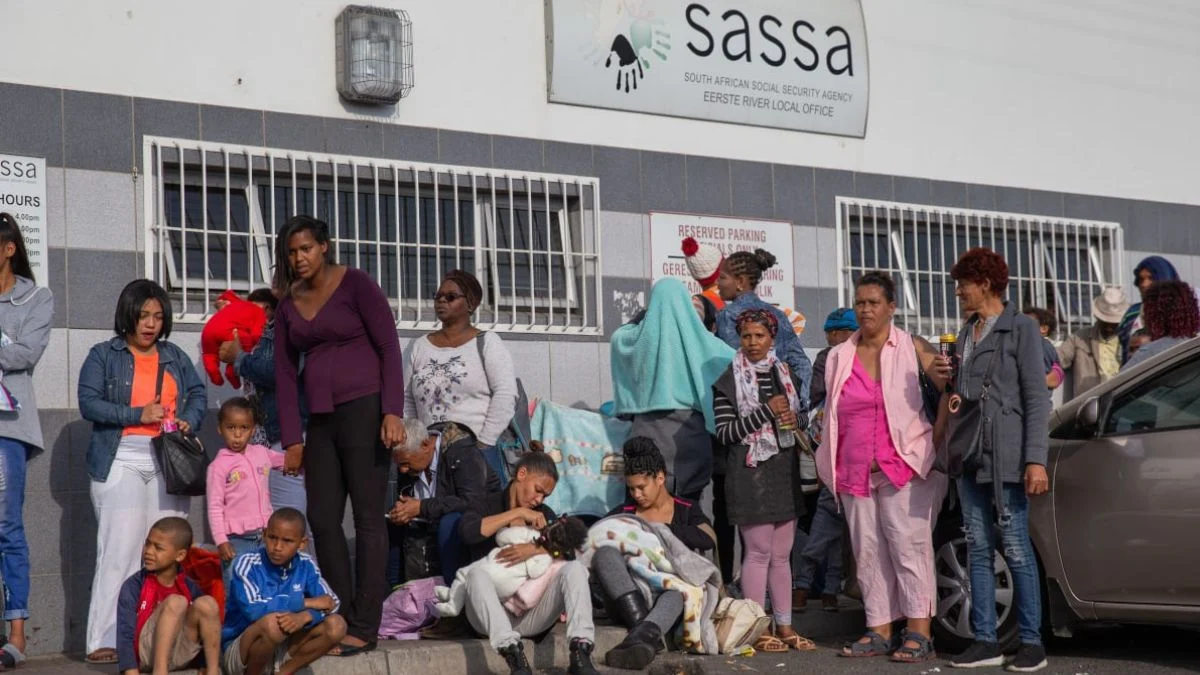
Significant new developments are on the horizon for beneficiaries of social assistance. The National Treasury recently announced key South Africa social grant changes 2026. These updates will impact millions of citizens. The 2026 Budget Review, released on Wednesday, details these crucial adjustments. All social grants, with the exception of the COVID-19 Social Relief of Distress (SRD) grant, are set to increase in the next financial year. This brings welcome news to many households across the country.
Understanding the Grant Increases for 2026
Most social grants will see an increase ranging from R20 to R85 per month. This aims to provide additional support to vulnerable populations. The increases reflect ongoing government efforts. They seek to combat poverty and improve living standards. These adjustments are part of broader social development spending plans. This commitment ensures essential financial aid continues.
Excluding the SRD grant, social development spending is projected to grow. It will rise from R246.6 billion in 2025/26 to R276.5 billion by 2028/29. This substantial allocation underscores the importance of these grants. They form the largest share of spending on social development. Such investments are vital for national welfare.
Detailed Breakdown of Grant Adjustments
Beneficiaries can anticipate specific increases across various grant categories. Understanding these figures is crucial for financial planning. The changes are effective for the 2026 financial year. Below is a detailed look at how each grant will be adjusted:
- The Old Age Grant will increase by R85. It moves from R2,315 in 2025 to R2,400 in 2026.
- War Veterans Grant recipients will also see an R85 increase. Their grant rises from R2,335 in 2025 to R2,420 in 2026.
- The Disability Grant matches the Old Age Grant increase. It goes from R2,315 in 2025 to R2,400 in 2026, an R85 boost.
- Foster Care Grant beneficiaries will receive an additional R45. This increases their grant from R1,250 in 2025 to R1,295 in 2026.
- The Care Dependency Grant will increase by R85. It moves from R2,315 in 2025 to R2,400 in 2026.
- Child Support Grant recipients will see a R20 increase. Their grant will be R580 in 2026, up from R560 in 2025.
- The Grant-in-Aid also increases by R20. It moves from R560 in 2025 to R580 in 2026.
These adjustments reflect careful consideration. They aim to provide meaningful support where it is most needed. For more on the broader context of grant adjustments, you might be interested in reading about SA Social Grants Reform: Beyond R10 Increases.
The Future of the SRD Grant: South Africa Social Grant Changes 2026
The COVID-19 Social Relief of Distress (SRD) grant holds a unique position. Unlike other grants, it will remain at R370 per month. However, its payments are extended significantly. An additional R36.4 billion has been allocated for the SRD grant. This ensures payments continue until 31 March 2027. The grant will maintain its current R370 per month per beneficiary throughout this period.
President Cyril Ramaphosa addressed the future of the SRD grant. In his 2026 State of the Nation Address (SONA), he announced its redesign. The grant aims to align more closely with a work-seeker’s grant. This strategic shift reflects a move towards encouraging employment. It also seeks to provide transitional support. Approximately 8.2 million people currently benefit from the SRD grant. Overall, there are 26.5 million grant recipients in South Africa. The provision for the SRD grant over the medium term shows a reduction. By 2028/29, only R1.7 billion and R1.2 billion are pencilled in for the outer years. This indicates a phased approach to its eventual transformation.
Treasury’s Fiscal Strategy and Savings Initiatives
The National Treasury’s approach to social grants is multi-faceted. The social grant allocation has been adjusted downward over the medium term. This aligns with a lower inflation outlook. It also reflects improved grant targeting and verification processes. These measures are expected to generate significant savings. Projections indicate savings of R2 billion in 2026/27. An additional R1 billion is expected in 2027/28. These savings highlight a commitment to fiscal responsibility. They also ensure the sustainability of social welfare programs.
The Social Development function’s overall budget is also expanding. It will increase by approximately 4.2%. This budget will grow from R412.2 billion in 2025/26 to R466.4 billion by 2028/29. This supports poverty reduction efforts. It provides social grants and risk benefits through social insurance. It also funds welfare services. Furthermore, it supports development initiatives and empowerment programs. Gender equality efforts are also included. Advocacy for children, women, youth, the elderly, and people with disabilities also benefits.
SASSA’s Enhanced Verification and Compliance Measures
The South African Social Security Agency (SASSA) plays a critical role. Its 2025/26 allocation came with strict conditions. SASSA must improve biometric and income verification processes. They are also required to undertake more frequent eligibility reviews for social grants. Other measures to tighten compliance are also being implemented. These steps ensure that grants reach legitimate beneficiaries. They also prevent fraud and misuse of funds.
By December 2025, SASSA had made significant progress. The agency checked the bank accounts of about six million clients. It also reviewed eight million credit bureau clients. These extensive checks flagged 291,581 grant beneficiaries for review. The review process was thorough. It included strict implementation of the sliding scale. This scale bases grant values on recipients’ incomes. As a direct result, grant amounts were adjusted for 8,599 disability and old-age grant recipients. These adjustments were made in accordance with eligibility criteria.
These efforts have already yielded substantial savings. Projected savings for 2025/26 amount to R36.4 million. Furthermore, 34,661 grants were cancelled. This generated expected savings of R170.7 million by the end of 2025/26. SASSA has also rolled out biometric verification for new applicants. This strengthens beneficiary authentication. The agency is committed to intensifying efforts. This includes combating fraud and corruption. Simultaneously, it ensures legitimate beneficiaries remain protected. These measures are crucial for the integrity of the social grant system.
Conclusion
The upcoming South Africa social grant changes 2026 represent a significant update. They aim to balance increased support with fiscal responsibility. While most grants will see increases, the SRD grant is being strategically redesigned. National Treasury and SASSA are implementing robust verification processes. These actions ensure the social safety net remains effective and sustainable. Beneficiaries should stay informed about these vital changes. They impact millions and reflect ongoing governmental commitment.